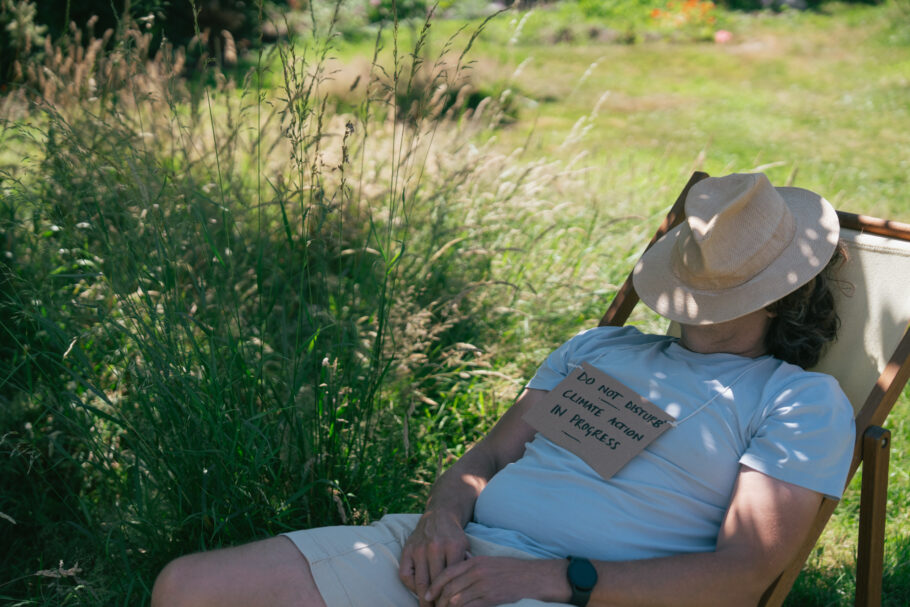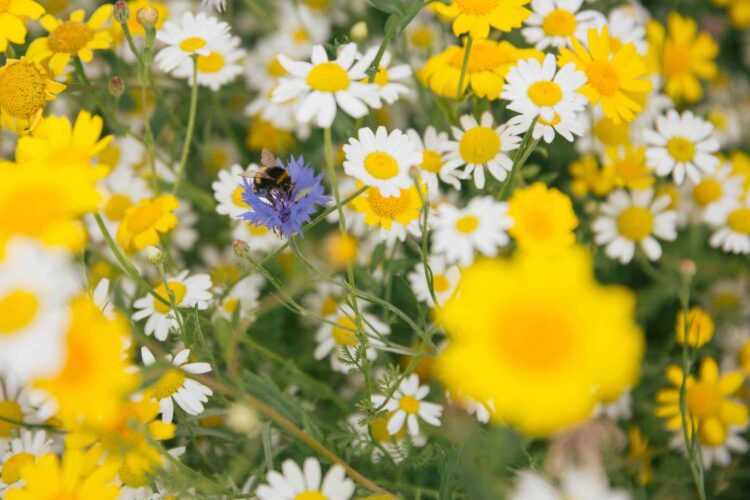
Trees and forests are the headliners of many climate action campaigns. But there is a more hidden story of climate action from all the small plants that are doing remarkable work to cool and calm the climate every day. Our grasslands, mosses and flowers are climate repairers. There are billions of them, they grow in some of the most challenging places, and collectively their impact is huge.
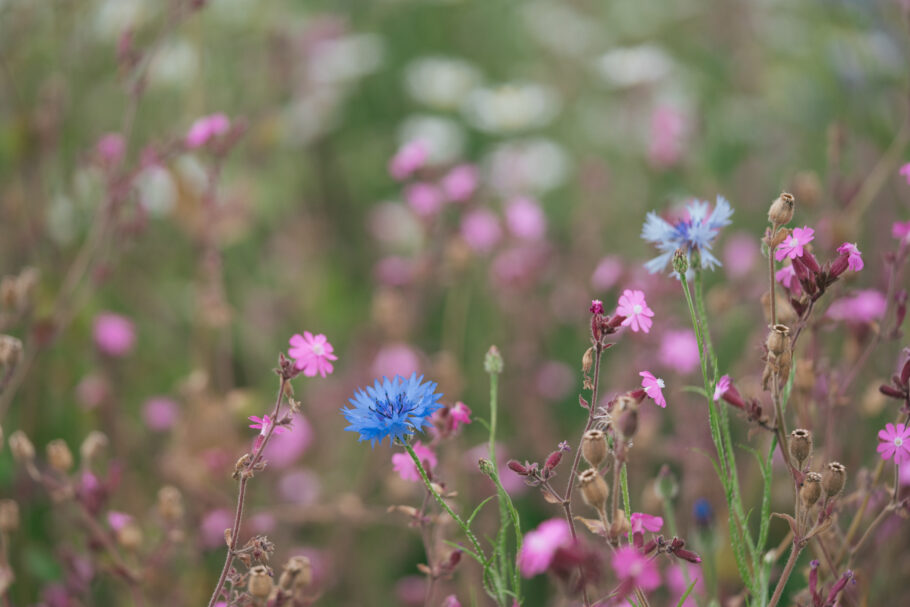
All plants, even the tiniest mosses, are taking action to cool and calm the climate. Underneath their quiet appearance, plants are furiously busy. Even in the winter.
They are harvesting and storing energy from sunlight by photosynthesis and using it to get important things done:
- Their leaves shade the soil, keeping it cool and moist.
- They capture the rain, slowing the water's journey into the ground.
- Below the surface, the roots create channels and improve the soil so the water can soak in rather than running off as it does from bare soil.
It can look like their most obvious work is growing leaves, flowers, roots and fruits, and as a crucial aside providing oxygen that we need to breathe. But what we don’t see is where most of their effort is going. This hidden work is critically important to our lives, and the life of the planet: they are keeping themselves cool. And by cooling themselves, they are keeping the planet, including us, cool too.
While we sweat to regulate our temperature, plants use
transpiration. They release water from tiny openings in their leaves and this
evaporates to cool them and the surrounding air. This in turn cools us.
They also provide shade. While this isn't on the scale of the trees, grasses can still shade and cool the surface around them.
Research shows that grasslands, moss and flowers are extremely effective at capturing water and carbon. Researchers in the US have estimated that an acre of soil below mixed prairie grassland may hold 270,000 gallons of water. Some estimates suggest that 15-30% of the world’s carbon is held in grassland soil.
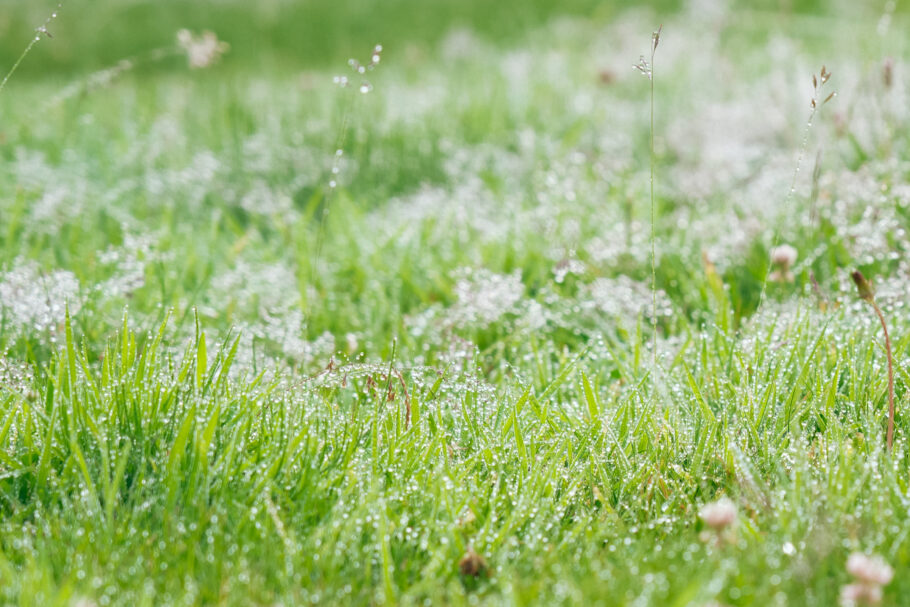
Plants use the sun's energy to bind carbon dioxide with water to make carbohydrates. In doing so they remove two greenhouses gases (carbon dioxide and water vapour) from the atmosphere.
They use some of these carbohydrates, such as lignin or cellulose, to build their own bodies. When plants die, these carbohydrates are broken down by soil fungi into humus, the dark spongy organic matter that is essential for healthy soils. Humus helps keep soil pores open so that air and water can reach the roots below. It plays a key role in keeping water in the ground which reduces the risk of floods and droughts.
Plants pump out some of these carbohydrates through their roots to feed the soil. They are used by the fungi and organisms to build their bodies and keep the soil ecosystem healthy. To do this, they produce a protein called glomalin which is important for long term carbon storage in deep soil layers where it is safe from disturbance such as wildfires.
This local flow of carbon and sun energy through plants to soil is sometimes called the short carbon cycle.
These tiny plants are soil builders and rain makers too. Recent research shows that tiny pollen fragments can work as seed clouding nuclei making grass and flowers potential rain bringers as well as trees.
It is becoming increasingly apparent that with the increase in risk of wildfires, droughts and floods, grasslands can provide more resilient climate solutions than forests.
Even very small plants do remarkable things.
Grasslands may also be more adaptable than forests they can fit in tiny unused urban spaces, they allow for multiple uses and are good for biodiversity.
The more diverse the plants, the more benefit for climate repair. Leaves of different heights and shapes cover and cool the soil more effectively. They slow and capture water more efficiently and support more soil life and diversity generally.
Roots of different lengths and patterns make for better water absorption. Because some plants grow better at different times they maximise carbon and water capture over the seasons.
Grasslands that are left to their own devices will become communities of grasses and wildflowers. Grasslands without wildflowers usually only happen when people use herbicides to remove them from the mix, for example for sports pitches and manicured lawns.
- Leave more areas of grass to grow longer. This can be simply a fringe around a lawn, a verge, or giving over a larger area for diverse flowers and grasses to thrive.
- Add wildflowers to existing areas of long grass.
- Leave the moss-killers and herbicides on the shop shelf and welcome the diversity in your grass.
Every metre counts, every small plant counts, every conversation can count too – let us talk more about the water and the plants.
Every grass leaf, wild flower and moss is taking climate action, why not join them?