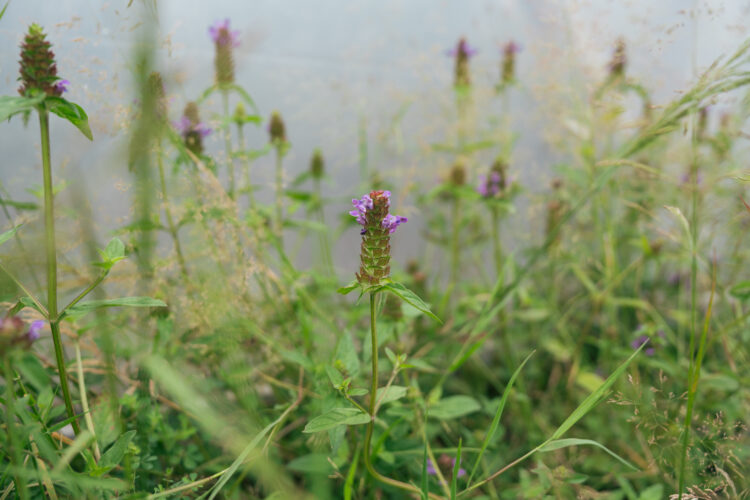
Living mulch, sometimes known as green manure, is another
way of providing a natural layer on the soil surface. This can be useful to
cover bare soil through the winter when flower and vegetable beds may be empty.
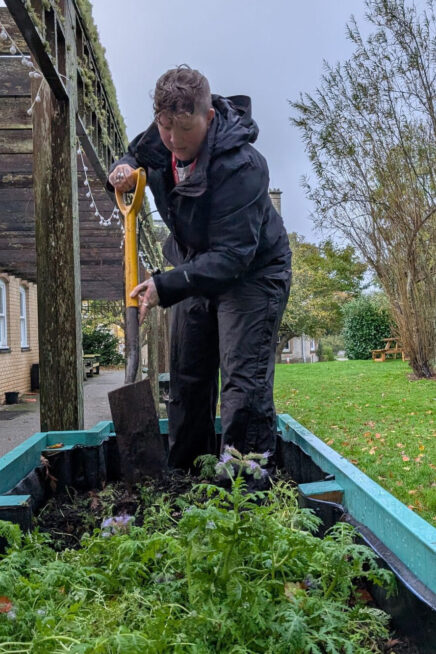
It can then be dug into the soil when you are ready to use the beds again.
The layer will slow the flow of rain water, cool the air through transpiration as it grows, and add nutrients and organic matter to the soil when it is dug in.
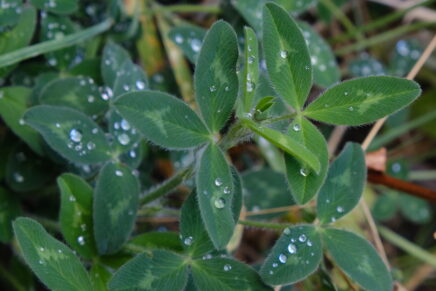
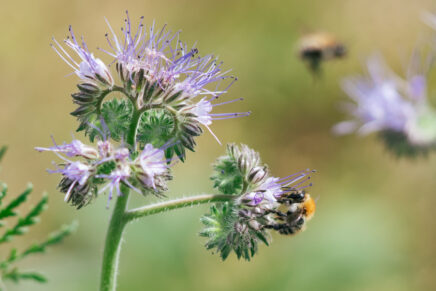
It is best to choose plants that are easy to grow from seed and that quickly create a ground cover. Good examples include Phacelia, ryegrass, white clover and alfalfa.
Perennial plants can be used to create a layer that will last more than one year, either by sowing seed or planting small plants. Examples include creeping thyme (Thymus serpyllum), dead nettle (Lamium maculatum) and lesser periwinkle (Vinca minor). They will create dense, leafy ground cover under shrubs in containers and open soil.
You can grow living mulch in a container, although it is more often used on open soil. It is widely used between crops as part of vegetable growing, but it can be used on almost any bare soil on flower beds and around shrubs and trees.
It can be a lasting cover to protect the soil, reduce weed growth and feed pollinators. You will need to choose perennial plants, such as clover or creeping thyme.
Alternatively, you can grow it for a season or two, then dig it in to add valuable organic matter to the soil.
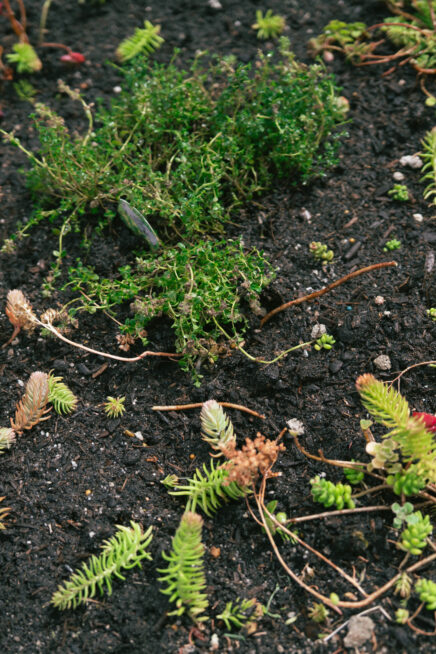
Creating living mulch is one of the simplest and cheapest climate actions you can do in your garden or community space. These are the basic steps involved:
- Choose the plants you are going to grow and buy seed.
- Prepare the soil: remove weeds and add water if the soil is dry.
- Sow seeds and cover with a thin layer of soil. Water generously.
- Keep the areas watered and remove weeds while the young seedlings grow.