Have you been thinking about what you and your students can do to help the planet? Do you feel that everywhere you look there are floods or droughts? There are simple and easy ways to help restore the balance of water, and you can start right now. We have created a year’s worth of resources for you to use: symbol-supported worksheets and ‘how to’ planting guides with step-by-step instructions. These resources will help your students take climate action.
Climate chaos is real, it affects our ability to use our school grounds and teach outdoors. Generally, we know this because grounds are flooded and it’s too wet, or it is too hot for students to be outside. Essentially, water is in the wrong place, and it is behaving badly. Fortunately, as teachers, you are well equipped to deal with bad behaviour, and you can have this naughty water back in its place in no time! Your school grounds can be a place of safety, to educate and excite your young people and enjoy all that nature has to offer.
At a minimum, you are going to need gardening gloves and some trowels. If you can’t get your students (and staff) to bring in outdoor coats and shoes (preferably wellies) then you may need to look at getting a stock of these in school.
Help is available through grants or sponsorship to get kit. Previously we have approached some of the bigger coat companies and they have helped us out.
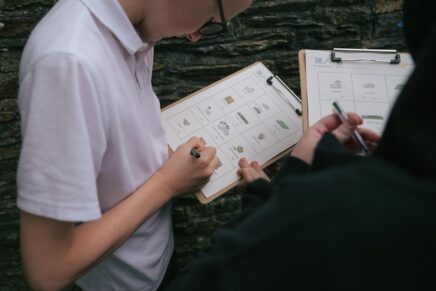
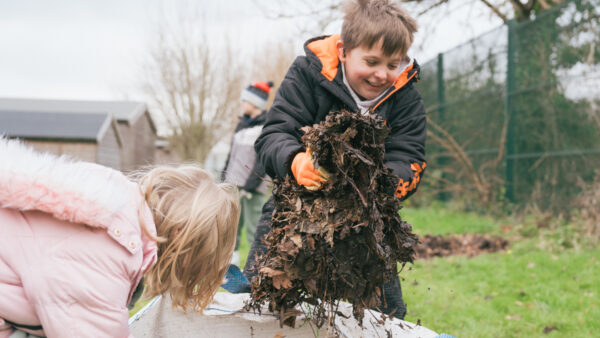
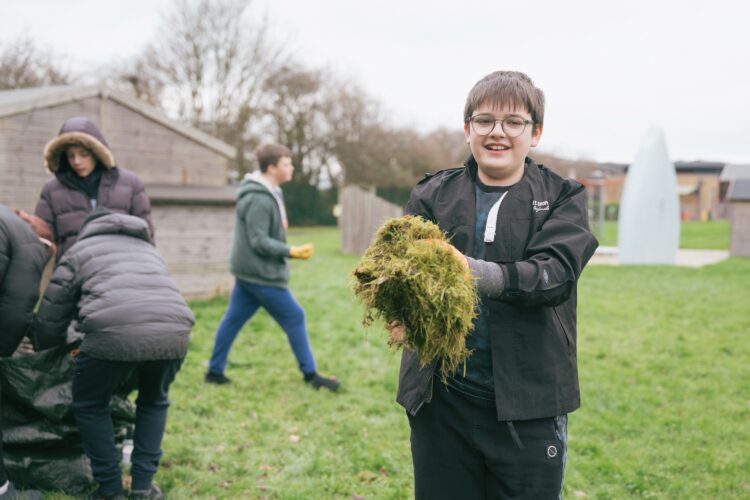
Everyone can get involved. In fact, you want as many members of the school community as possible involved. This will give a sense of ownership and help protect whatever you do. If you have people who look after your school grounds, you will also want to get your students to work with them to help with any maintenance.
Obviously, activities like planting and seed sowing take different skills, both cognitively and physically. You will need to assess your class as you know them best to see what will suit them, many of the activities can be adapted, and students can be given different roles.
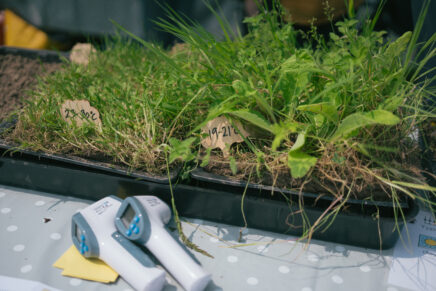
You can assess your site before you start working to see how it is doing, heat mapping is a great tool for this. Then, when you have done some interventions on your site, you can assess again to see the difference you are making. Taking part in real data collection is always positive too, activities like the butterfly or bird count or the Flower-Insect timed count can be useful. These contribute to wider data sets and are quite easy to do.
So, get downloading, our free resource pack is waiting for you. Guidance for teachers, symbol worksheets and how-to guides for students, covering activities like bulb planting and sowing wildflowers. It couldn’t be easier!
Good luck and remember every metre counts, if we all do our bit, it soon adds up!
Our resources have been developed over a 2-year project with students and teachers in specialist schools, coupled with our in-house expertise in education and landscape design.
First published 11 June 2026
You might also be interested in
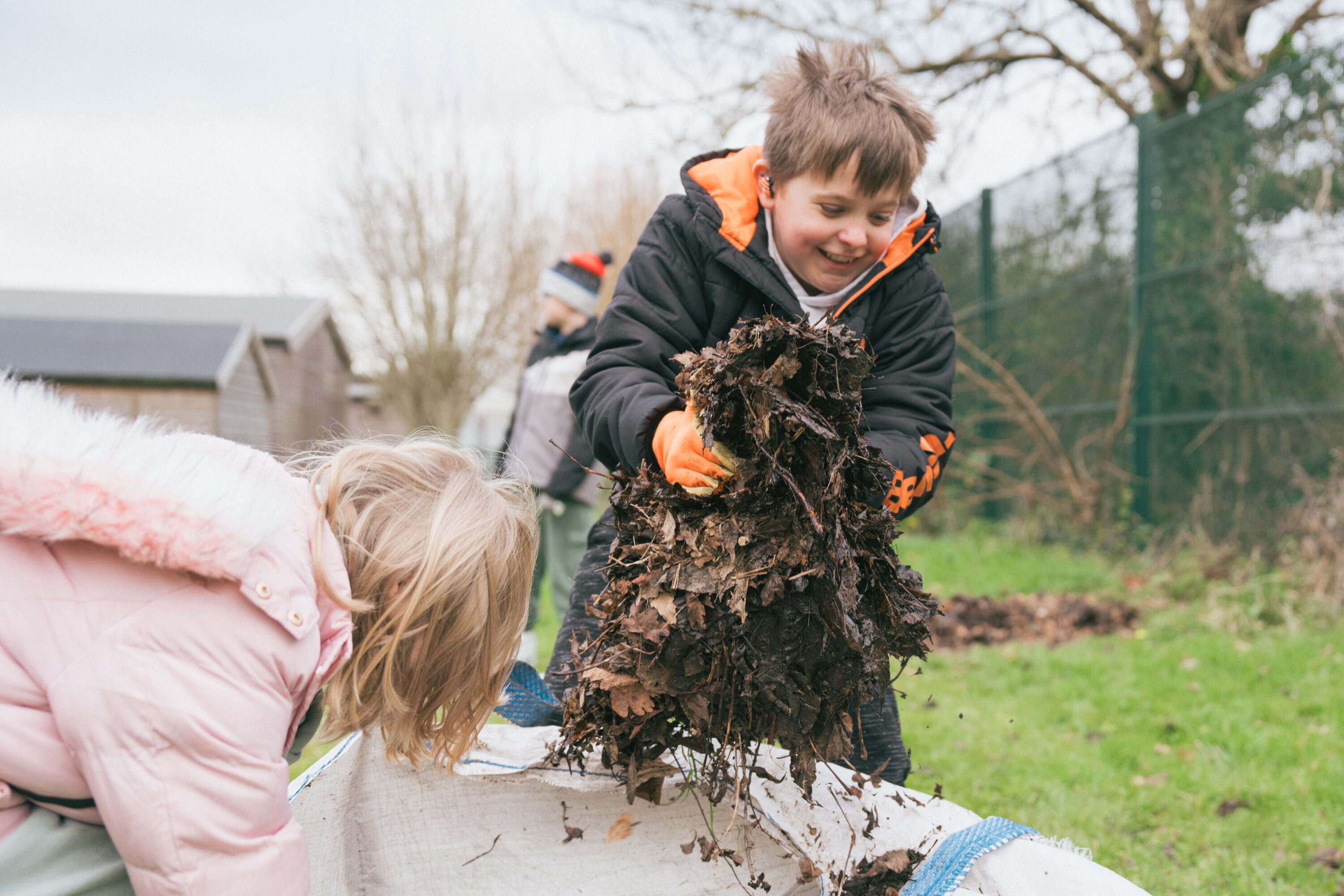

Collective Climate repair
We are demonstrating how working together with a focus on water and plants offers affordable, accessible opportunities to cool and calm the climate.