Why do a disability access audit?
A site audit or review is an important first step for improving accessibility of an existing or new site. It helps identify priorities, from easy low-cost fixes to more substantial changes. A review can support funding bids and development plans and provide material for visitor information.
We have over thirty years' experience reviewing sites, from underground tunnels to treetop canopies, heritage to contemporary and small to large scale. As authors of the 'Outdoor Accessibility Guidance' and 'By All Reasonable Means', and with accreditation from the International Association of Accessibility Professionals, we understand the barriers that limit accessibility and are experienced in identifying effective and affordable action.
Our access audit will:
- Identify barriers to access and recommend actions to remove or mitigate them.
- Prioritise low-cost improvements that can be made easily and quickly.
- Recommend ways to enhance and diversify the visitor experience.
- Highlight what you are already doing well so that staff and visitors are aware of your commitment and what it means in practice.
Our audits always consider accessibility together with equality of experience. We use the Sensory Trust's Access Chain, a tool we developed to address all parts of the visitor experience, from a decision to visit, to arrival and parking, use of information and enjoyment of the place itself, and leaving for home.
Am I legally required to have an access audit?
While it is not a specific legal requirement, an access audit will help you to fulfil your responsibilities under the Equality Act 2010.
What we offer: site access audit
A site access audit typically involves one or two days of site survey, depending on the size and complexity of your venue, and gathering insights from you to better understand the barriers impacting visitors. Our review work identifies barriers to access in relation to the visitor experience and potential improvements.
We can look at your whole venue or address a specific issue, such as visitor information. All access reviews are followed by a report summarising our recommendations.
We can provide a workshop to share the results of the review with your team.
How much does a site access audit cost?
The cost of a site access audit varies according to site location and complexity but most of our commissions range between £3,000 and £6,000.
Contact us to outline your requirements and we will be pleased to explore how we can best help you.
What we offer: one hour access advisory session
Are you looking for advice that can help you improve accessibility of your site or route, rather than an audit?
A knowledgeable member of our team can arrange a convenient call to discuss your plans with you. Simply gives us a brief outline of your project idea and the particular questions you have and book time with one of our team.
Cost
A one hour session includes some preparation questions and a one hour phone or online chat and costs £200.
Contact us to book an online advisory session.
Examples of our disability access audits
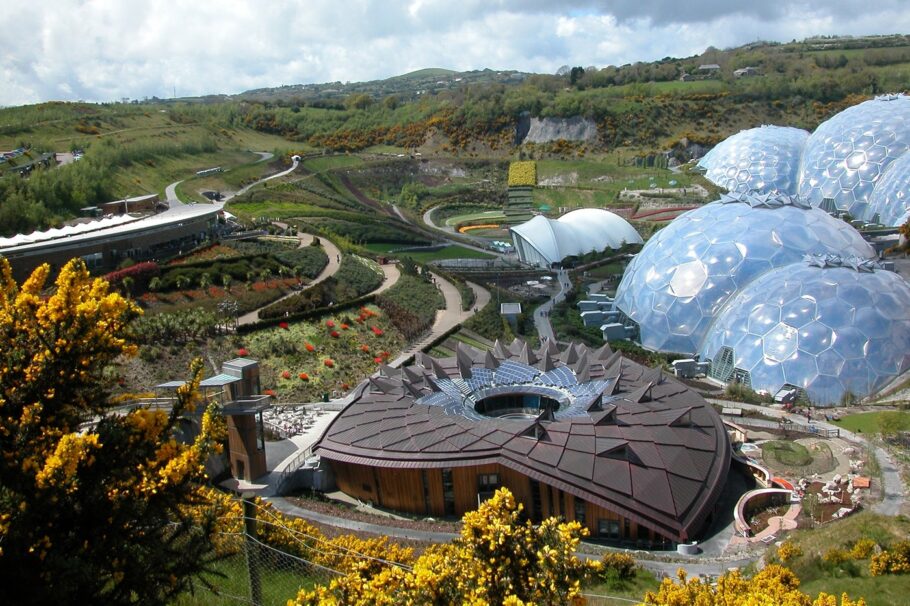
Eden Project
Eden Project is an internationally renowned visitor attraction attracting millions of visitors from around the world. Working together since its opening in 2001, we are delighted to have helped Eden receive national Awards for accessibility in recognition of a sustained commitment to enhancing access. From big to small scale, wheelchair-accessible buses to water bowls for assistance dogs, the venue continues to work hard to enhance its welcome to visitors of all ages and disabilities.
Parks, gardens, woods and nature reserves
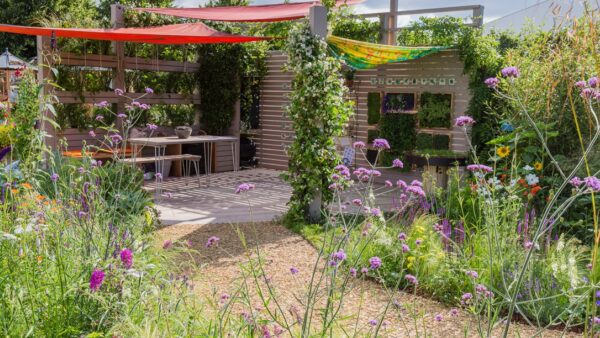
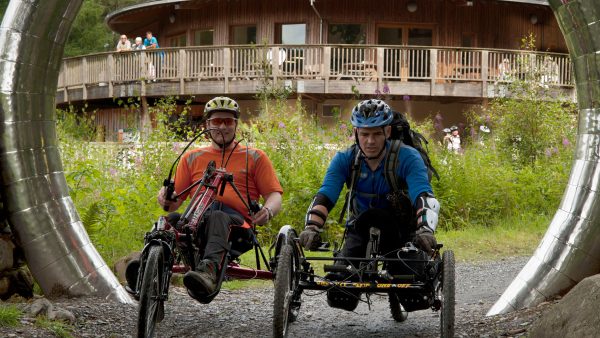
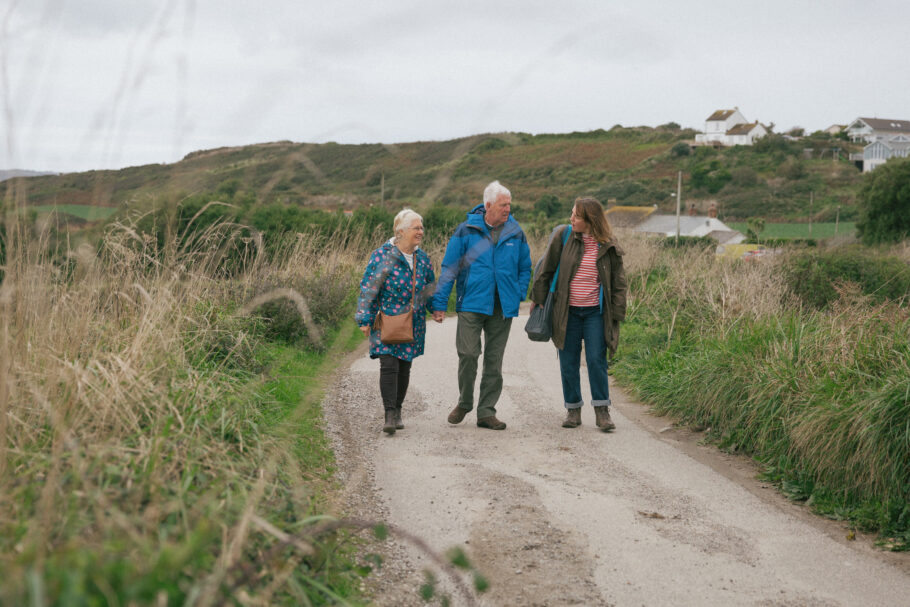
Our reviews often take us to public parks and gardens, nature reserves, woods and countryside walks where access improvements must balance with nature conservation. We draw on our experience of landscape design and management to recommend pragmatic and effective ways of removing and mitigating barriers to access, and enhancing the experience for the widest range of people. Site access audits include Hyde Park for the Royal Parks, Burnham Beeches for London Corporation, the Lost Gardens of Heligan in Cornwall, East Devon National Landscape, National Trust trails in East Devon and Tintagel for English Heritage.
Museums and heritage sites
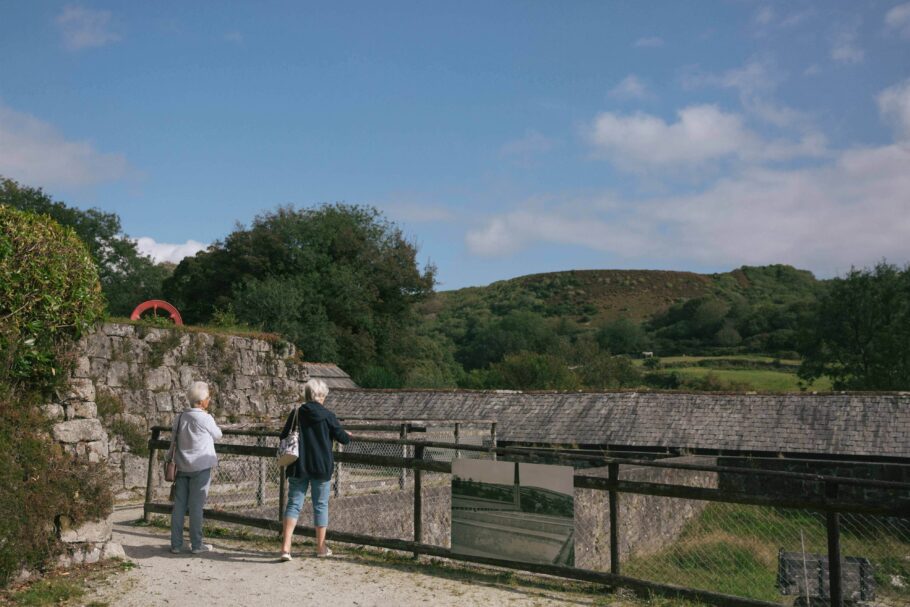
Our reviews of heritage sites range from small museums to large-scale landscapes. Access improvements must complement heritage conservation and this draws on our skills in site and information design and visitor management. We have worked with landscape projects, such as Luxulyan Valley World Heritage Site and archaeological sites for Cornwall Heritage Trust. Museums include Brunel Museum in London, Wheal Martyn China Clay Museum in Cornwall, and Crich Tramway Village and Barrow Hill Roundhouse Museum in Derbyshire.