What is sensory mapping?
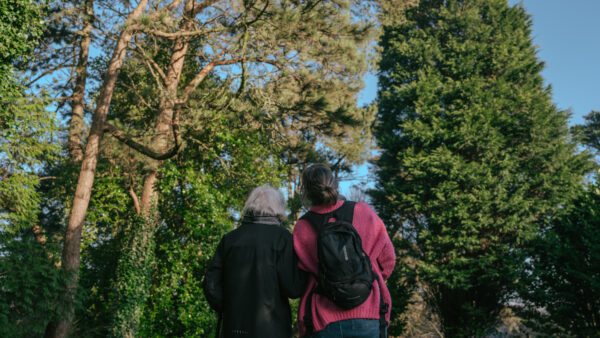
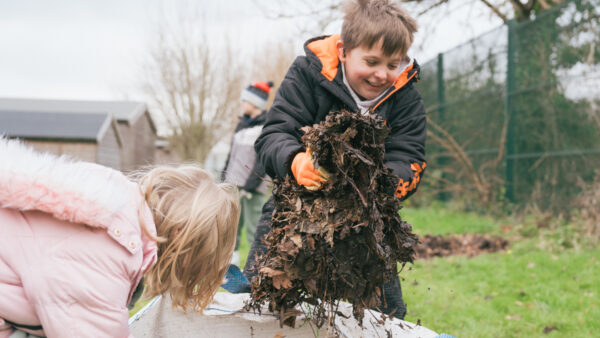
Sensory mapping is a simple, flexible technique that identifies sensory highlights with a view to creating inclusive and engaging visitor experiences. It essentially consists of individuals or small groups exploring a location and mapping where they encounter particularly strong sensory stimuli, including, but not limited to sights, sounds, smells, textures and tastes. Mapping can also make note of other things people experience in response to these sensory experiences such as emotions and memories.
Who can use sensory mapping?
Sensory mapping is used by site managers and visitor destinations to identify sensory hot spots. Designers can use it to test plans for a new design, or to analyse responses as a post-design exercise. It also lends itself to a community context where people want to review an existing space or generate ideas for a new design.
What does sensory mapping do?
Sensory mapping can be used in many different ways. For example, it can help you plan a sensory trail, enhance the visitor experience, plan access improvements, seating and shelter, and develop interpretation plans.
It will enable you to:
- Identify areas of greatest sensory interest, using the information to prioritise access improvements so that these areas can be reached by everyone.
- Review the level of sensory interest along an accessible route, or at a destination, using the information to identify opportunities to enhance it.
- Identify where visitors tend to go, and where they tend to pause, you can then use this information to plan interpretation and seating.
Sensory mapping can also be used to inform a new design. It will help you:
- Identify how well the design is providing a diversity of sensory experiences, rather than focusing more exclusively on one or two
- Identify where there are clusters of sensory highlights and review their accessibility
- Plan aspects like seating, pause points, visitor information, etc., so as to dovetail with the greatest sensory interest.
- Identify potential conflicts between different sensory experiences, for example, loud sounds that impact an otherwise tranquil location.
Top tips for sensory mapping
1. Assemble your mappers
While it is possible to map on your own the best results often come when people who are not intimately familiar with a place are invited to explore and discover. Staff and volunteers should always take part – it’s a great way to experience somewhere they think they know so well and at the same time share in other people’s experiences. A consistent piece of feedback is how effective sensory mapping is at encouraging people to ‘see’ their site in new ways and from that to identify new opportunities they hadn’t previously considered.
2. Warm up your senses
This may sound strange, but it is worth taking time to get mappers in the mood. Taking people to a location that is particularly sensory-rich, using props, or a sensory warm-up exercise can get people to focus on their senses. We sometimes invite people to think about their favourite sight, sound, taste, texture and smell from nature and, if comfortable, share these memories and associations. Our activity factsheet Sensory Introduction will help with this.
3. Don't go too big
The idea is to avoid trying to map too large an area at any one time – it is important for people to take their time and not rush. Mapping can be focused on textures or sounds, for example, or concentrated on certain areas or specific environments. Focus groups can explore the experiences of different user groups, such as people with sensory impairments or families with children with complex needs.
4. The results
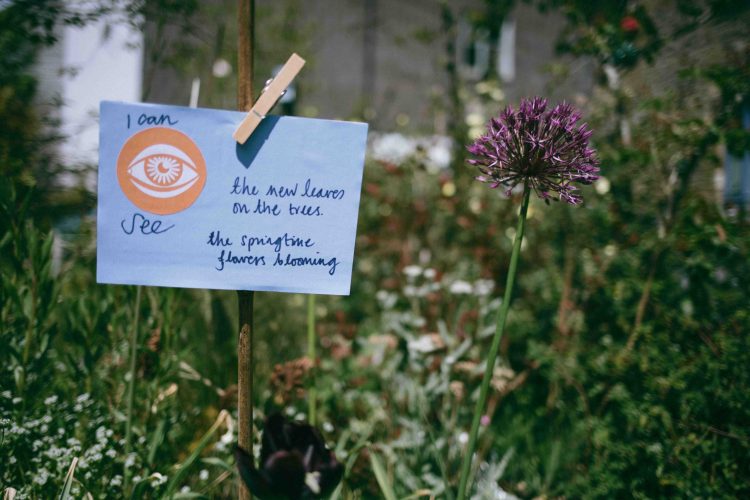
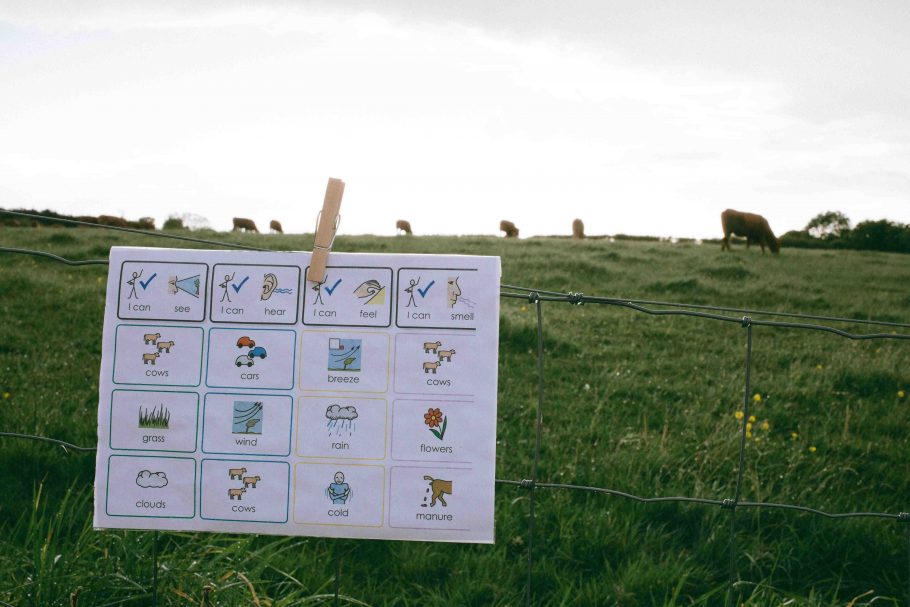
Recording the results can be done in any number of ways - on individual or group maps, with sticky dots and stars or by planting flags on site with words or pictures detailing the highlight. As the sensory highlights will change with the seasons and the weather, it is useful, if time permits, to repeat the mapping at different times of the year.
Where can sensory mapping be used?
We haven't yet found a site where sensory mapping couldn't be used. We have mapped with park rangers, architects, farmers, adults with learning disabilities, children with sensory impairments, older people and staff and volunteers. The tool has been tested at the Eden Project and in urban parks, wildlife sites, wide expanses of the countryside, forests, farms and play areas.
We can help with sensory mapping
Need more help with sensory mapping? We offer consultancy and design services to help you create your own sensory map. Get in touch below to talk to one of the team directly.