Plants are weather makers and climate repairers. Underneath their quiet exterior, plants are constantly working, even in the winter. Here are some of the main ways that they are supporting and repairing the Earth’s living systems, it is quite a list:
Plants are the best chemists
The basis of all life is photosynthesis, where plants use
the sun’s energy to make their own food. Plants, fungi and bacteria are the best chemists on Earth. They eat light and carbon dioxide, mixed with a sprinkling of other
nutrients, and from these building blocks they create our world.
It goes something like this:
Take two molecules of carbon dioxide and two molecules of water. Use the energy of the sun to split them and spit out some of the oxygen (good news for people and other animals).
Then stick the remaining carbon, hydrogen and oxygen together to make carbohydrates from which they make their bodies, and provide food and fuel for all living creatures.
Ask the bacteria and fungi to pick up a little nitrogen, phosphorus and sulphur from the soil and give them to the roots so the plants can make proteins and enzymes.
Much of the energy that plants capture is used for pumping
in two main ways:
Plants are carbon pumps. Plants pump carbohydrates
underground to build the soils and feed the fungi, bacteria, and microorganisms
that live beneath us. Since these carbohydrates are often dissolved sugars in
root exudates, this is called the liquid carbon cycle. It creates a vast
distributed energy store that can power the underworld through the winter.
Plants are also water pumps. Through transpiration, plants release water through tiny pores (or stomata) on their leaves. When water evaporates from the stomata, it creates negative pressure in the plant and this draws water and nutrients in through the roots. This also keeps the plant firm and upright. The evaporating water helps a plant to keep cool and plants open or close their stomata on a hot day as a way of regulating their temperature.
Plants are mini air conditioners
Plants are exquisitely evolved to capture, reflect and transform
energy from the sun. The sun transmits more energy than feels possible to conceive. In two minutues the Earth receives more energy from the sun than the whole of humanity uses in a year. The protective role of plants and water means that life, including us, can
survive.
Plants create cooling in two main ways:
Transpiration. Plants release water from their leaves and when it evaporates into water vapour it cools the air. This process of transpiration is similar in principle to sweating as a way of cooling ourselves. Like us, plants die faster from overheating so they prioritise cooling in their survival strategies. Just as we are learning to do in the heatwaves.
Of all of the water taken up by the plants, only a tiny amount is used to make carbohydrates and keep the plants upright. Pretty much all of the remaining water is needed for cooling, which is the main reason they transpire.
This is similar to how heat pumps and refrigerators work, they cycle gas to liquid time and again, putting the heat where it is least harmful and making things cooler.
Shading. Plants also create cooling through shade cast by their leaves. While this is more obvious to us, it is actually much less significant than the cooling effects of transpiration. In reality, both work together.
Plant leaves create shade by reflecting most of the heat energy back into the atmosphere. This reduces the amount of heat reaching the areas underneath.
Plants are water catchers
Just as our lives have gone into hyperdrive, the water is
experiencing the same. Rain is often arriving in dramatic, intense bursts, and running off fast and furious when it reaches the ground. It all
needs to slow down and the plants help this happen.
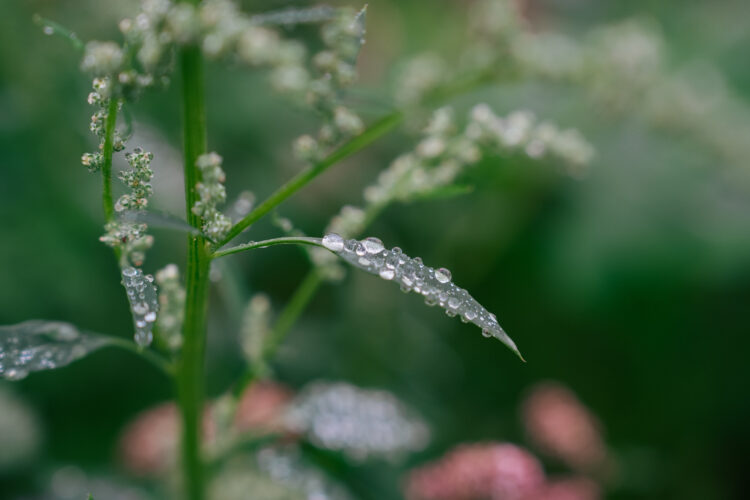
Leaves catch the rain and slow its journey down to the ground, where more of it soaks in and reduces the risk of floods and droughts. Every community of plants acts like an installation of rain chains.
Rain droplets caught by leaves have a chance to pause, then
to drip more slowing to the ground. It gives time for the ground to act more
like a sponge, less like a flooded plain. Slowing the flow takes the water to
where it’s needed, in the ground.
Plants are rain makers and water cyclers
The bacteria and chemicals released from their leaves helps the transpired water vapour condense into droplets big enough to be visible as clouds that bring the rain again, but as gentle rain this time. This flow of water from plants to clouds also drives winds and aerial rivers, part of a global story that directly drives the climate.
Look up water cycle in any geography book and you will see a picture of water movement from seas to clouds to rain over mountains to rivers back to seas. This large water cycle keeps our supply of fresh water running.
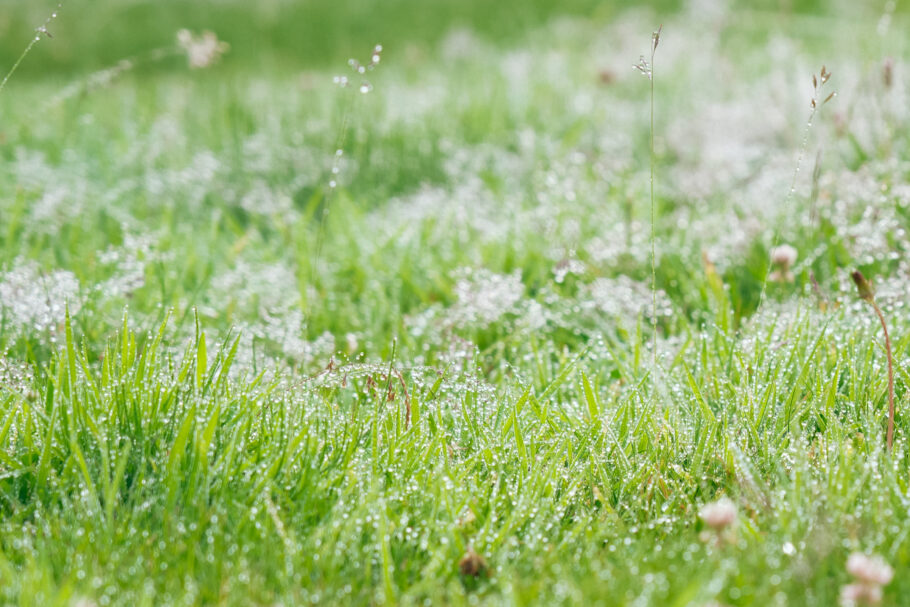
Alongside, and less widely appreciated, there are thousands and millions of ‘small water cycles that flow from soil to leaf to vapour to clouds and back as rain, fog or dew. Research tells us that something like 40% of the water we rely on comes through small local water cycles rather than the ocean.
The water is not ‘consumed’ by cycling, it just flows around and returns. Crucially, each turn of the small cycle is cooling, so the more cycles we have the cooler we are.
The world needs more plants
More plants means more leaves and roots which means more biodiversity, better soils, more fresh water, fewer floods and droughts, calmer weather patterns and cooler environments. The loss of plants is one of the most serious drivers of climate change, yet one of the cheapest and most straightforward issues we can change.
Every plant cared for and each new plant established is a climate action. Every square metre counts.