Our historic landscapes and buildings are essential links to the past and important touchstones for the future. Yet it can be challenging for everyone to connect with heritage. A lot of our historic fabric wasn’t designed with accessibility in mind.
If people are to connect with heritage places and spaces, they need access, not just to the fabric, but to the stories and spirit of the place. This is why our work aims to improve access and create inclusive, sensory experiences. It opens up experiences to people of all ages and abilities.
Inclusive heritage means more access for more people and richer experiences for everyone. Wider access and sensory engagement with heritage has been at the heart of the Sensory Trust's work for over two decades. Our guidance, access reviews and sensory engagement techniques are designed to help heritage owners, managers and designers enrich their heritage experiences and open up access to the widest range of visitors.
We're supporting people who are working in natural heritage to improve the accessibility and engagement of their sites. We have funding to offer a series of both in-person and online training and networking events demonstrating practical techniques to engage a wider audience.
To find out more about this project, follow our progress, stay up to date with training, networking opportunities, and shared guidance, you can sign up here
Our rolling programme of training events can be found on our training page

We believe that interacting with heritage through all of our senses is key to making personal, long lasting connections. This applies to heritage buildings, landscapes and cultures and traditions.
Our multi-sensory techniques are designed to engage and connect more people with heritage. They include printed or online sensory guides that share the experiences of a place through the different senses and sensory trails that make journeys more immersive. Tools like sensory mapping help people review and record places in new ways. They all take the focus away from being exclusively visual and make experiences richer and more memorable.
Heritage venues are keen for people to know more about their histories, but it can be challenging to find ways of sharing information to best engage people. Complex, information-heavy interpretation can be inaccessible to many visitors.
Our aim is to encourage visitor destinations around the country to rethink interpretation and move away from heavy text towards more sensory-engaging materials.
We develop sensory-rich interpretations for a range of heritage settings to bring to life the stories of these places to the widest audience. We want to ensure that more people feel welcome and able to enjoy experiences of equal value, in ways that are meaningful to them. Get in touch below if you would like to commission new sensory interpretation for your heritage space.
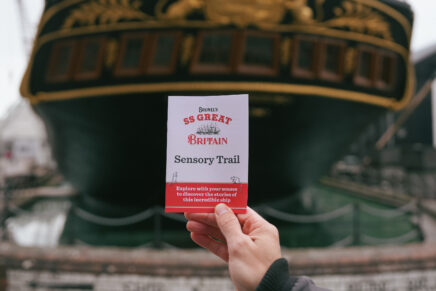
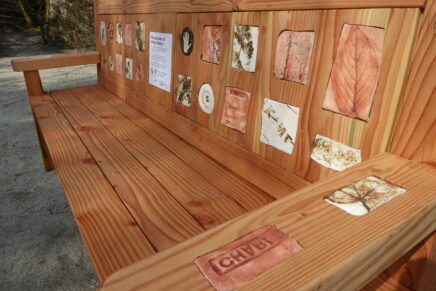
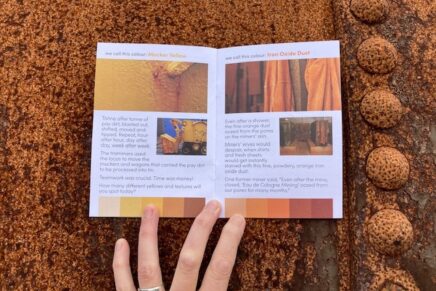
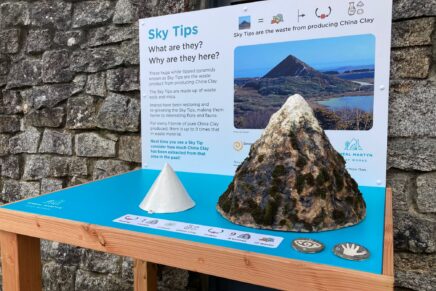
We create guidance to support organisations plan and implement access improvements to outdoor routes and sites. The 'Outdoor Accessibility Guidance' provides standards, design and management principles, and examples of good practice. It provides a benchmark for everyone working in the natural heritage sector, from open countryside to visitor destinations..
We released the updated version of 'By All Reasonable Means' in 2025, the result of a longstanding collaboration with Natural England and Natural Resources Wales. This combines the previously separate England and Wales versions into one guide.
We apply this guidance through our access review consultancy service, balancing the need to protect natural heritage with opportunities to enhance accessibility.