Read our article This is what nature does to someone living with dementia.
Creative Spaces: getting outdoors and living better with dementia
Creative Spaces is our flagship dementia project and is based on evidence that the health and wellbeing of people with dementia can be significantly improved by introducing contact with nature and the outdoors. Creative Spaces is bringing together people with mild to moderate dementia, providing positive opportunities to take part in nature-based activities and meet other people in similar situations.
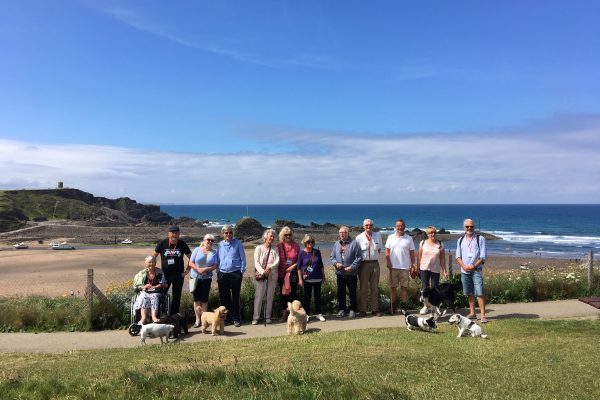
Our original group recently celebrated their 250th walk and we now boast a total of nine regular walking or outdoor activity groups for people with dementia and their carers throughout Cornwall. The groups are ever-evolving and more importantly have become self-governing, putting choice and ownership back into the lives of people with dementia. The group choose their walks and activities, approve new volunteers and set their own rules and customs, something that has been very important to the project from the outset. Creative Spaces is about supporting people to live better in their own communities, fostering independence and promoting health and wellbeing.
Dementia and the benefits of connecting with nature
There is something very special about spending time in the natural environment, we tend to open up more, talk about what we see and just relax. The health benefits are well documented, for example exposure to natural light boosts melatonin levels and fresh air helps regulate our circadian rhythm.
For people living with dementia, the benefits of spending time outdoors and connecting with nature can be transformational. Research evidence shows how significant the impacts can be, from improved sleep and eating patterns, to reduced social isolation and depression.
We see first hand how people living with dementia value these experiences and many of these insights are captured in our Creative Spaces evaluation report. Joan is a member of one of our walking and activity groups and she explains what getting outdoors has meant to her in this video by Active Cornwall.
It all started with a walk
On a wild and windy day across Goss Moor in Cornwall we joined Stephen for a walk. Aged 50, Stephen had experienced a new dementia diagnosis alongside redundancy and loss of driving licence. Living in a small Cornish village, Stephen was beginning to feel isolated and depressed and was looking for something to help. He became our first member and over the coming weeks more and more people joined our new dementia friendly walking group and soon we had a merry band of weekly walkers.
“Whilst we’re walking I can chat about my problems but also just everyday stuff with people that understand what I’m going though, we’ve become like a little family”
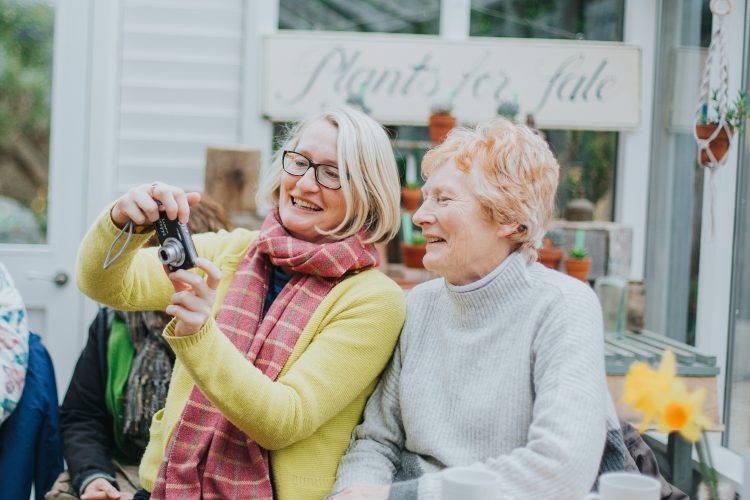
It soon became clear that the walks were not only a tool to help increase or maintain physical well being they also provided a platform for people to chat and support each other. Initially, couples would walk together, tentatively negotiating their new environment but before long they would intermingle, and close friendships formed. Carers were able to swap tips and support each other, and people with dementia could chat without fear of prejudice.
As the walking group began to swell in number, we soon realised that this model needs to be replicated throughout the county to reach even more isolated people.
Caring for carers
When a diagnosis of dementia is made we know that the effects are also felt with the partner, family member and circle of friends. We know that caring for someone with dementia can involve many challenges and at times feel quite isolating, in fact in a recent UK carers survey, 87% of participants stated that caring had a negative impact on their mental health with 91% stating that the biggest impact was anxiety or stress.
With this in mind, carers tell us how joining the activity groups helps them cope with issues such as social isolation, anxiety and poor sleeping patterns. The friendly and informal small group setting and an emphasis on nature and the outdoors are a great recipe for increasing feelings of wellness and reducing periods of anxiety.
Ann started coming to the group not long after her husband was diagnosed with vascular dementia. She was having trouble sleeping, anxious thoughts running through her head.
“during the course I learnt how to manage my anxiety and I also met many other people in a similar situation to me. I now have a new group of friends who I regularly meet up with.”
Ann
If you are supporting someone with dementia or know someone who is you can find some free nature-based activities in our activities collection.

Image credit: Tom Johnson