Sensory Trust orange spiral logo jump to page content Sensory Trust

| ways to support us | site map | access info |

| Services |

Home
Themes
Services
Publications
Events
About the Trust
Feedback

Join our mailing list

Sensory Mapping

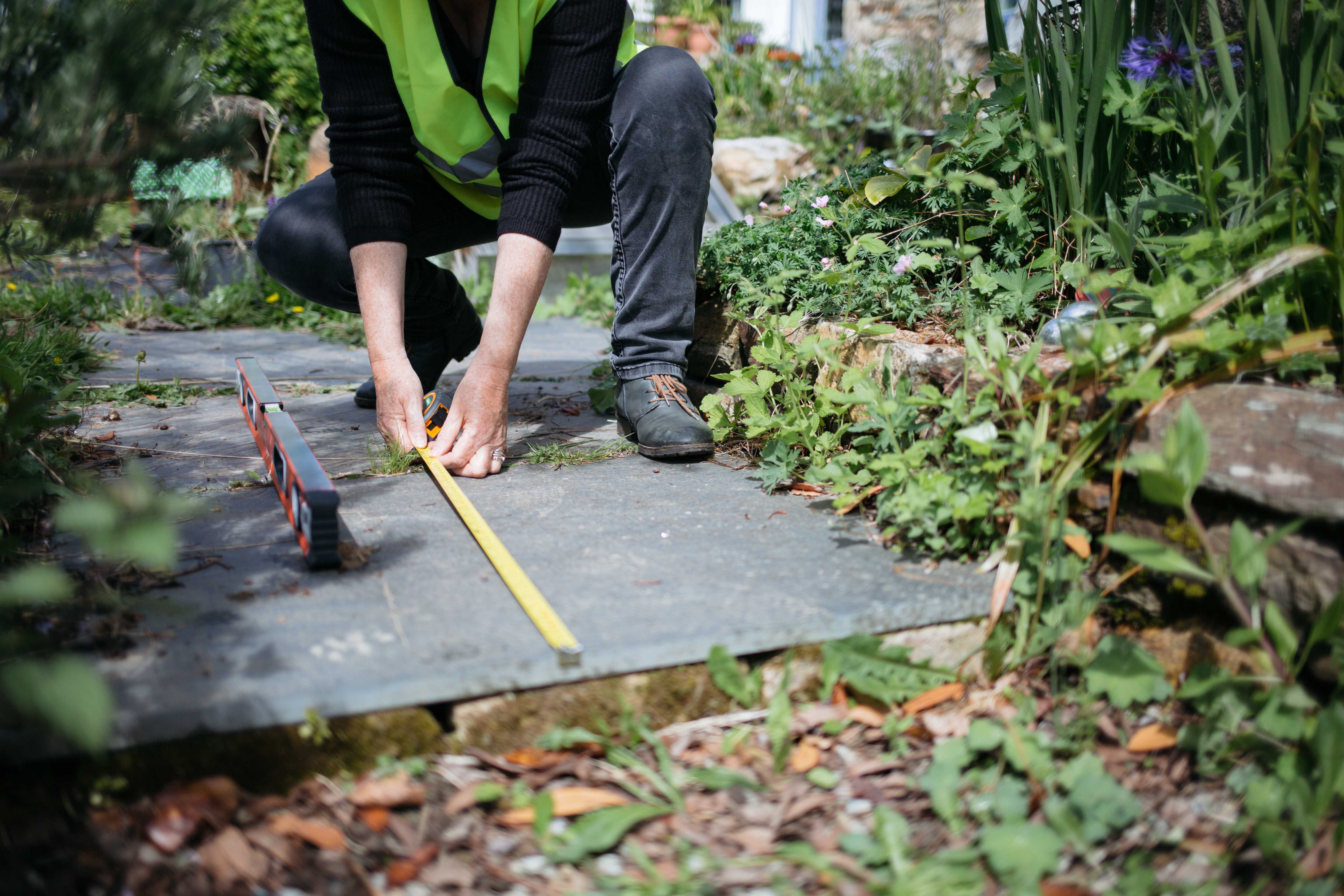
Sensory Mapping. Picture by Kate Mount

Photo: Kate Mount


Sensory Mapping is a technique developed by the Sensory Trust to quantify the sensory experiences of a site. Everyone has a favourite spot in a park or open space, and everyone has places they feel uncomfortable in. It’s often assumed that this is simply down to personal preferences and that individual “taste” can’t be quantified in any meaningful way. Sensory Trust believes otherwise.

Always one for a challenge we set about devising a way to allow groups of people to evaluate and record their sensory experiences as they move around an area. The resulting information can then be used to identify places of “sensory richness” which can in turn provide a focus and a direction for access improvements. It also allows groups to examine places that are already accessible and to assess the level and quality of sensory experience in these places. Using the technique in this way provides information that can be used to improve the quality of experience for visitors to a site.

Sensory Mapping has been used successfully by organisations such as Sheffield City Council, Kent County Council and the National Trust in the UK as well as in the development of the publication "Sensory Rich Trails - a design framework" in Australia.

Results of a Sensory Mapping day at Westonbirt Arboretum

Results of a Sensory Mapping day at Westonbirt Arboretum


How does it work?

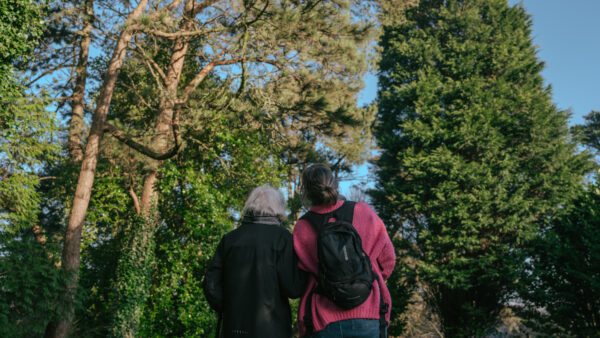
Groups of three to four people explore a given area and note down sensory “hits” on a form and on a sketch map. The results quickly show locations of areas of sensory richness. Further analysis will uncover the qualities and types of sensory experience in these areas. Analysis is important and can be complex. Not all sensory experiences are positive, but neither is a sensory experience necessarily bad for everyone. For example, traffic noise in a park may be disagreeable to many, but can provide valuable orientation information for people with visual impairments. Working with different groups in the mapping and analysis can reveal many of these hidden issues and allow a balance to be struck and design decisions to be made.

How do I get started?

There are a number of subtle issues with Sensory mapping. Sensory Trust offers training days around the UK in how to run successful sensory mapping sessions with other groups. Contact us if you would like to arrange a training day for your organisation.

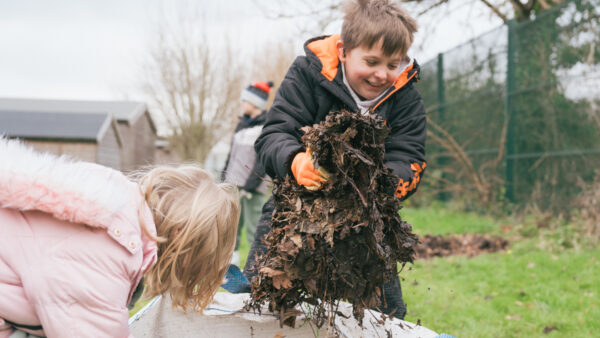
Sensory Mapping - child's play

Sensory Mapping - designed so that everyone can have an input


Registered Charity No. 1020670. Company limited by guarantee No. 02811046


© 2008 Sensory Trust