Inclusive and universal design
Inclusive design (also called universal design) makes places usable by everyone, regardless of age, ability and circumstance. It is based on the simple principle that designing for the widest range of people creates better designs and benefits everyone. No costly retrofits, happy users and great designs.
While this should be reason enough to apply an inclusive approach, inclusive design is also underpinned by legislation. In UK the Equality Act 2010 places a requirement on service providers to avoid discriminating against people on the basis of any of nine 'protected characteristics'.
Inclusive design in practice
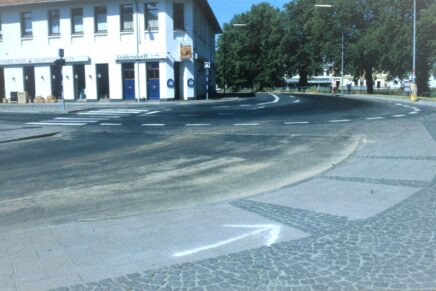
(above left) A street in Copenhagen where the road accommodates the grade changes so pedestrians can cross on the level and without dropped kerbs. Surfaces are easy for everyone and tactile strips warn visually impaired pedestrians of the approaching junction.
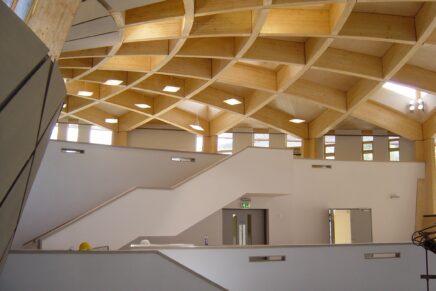
(above right) Acoustic baffle in the ceiling of the education building at the Eden Project creates a more comfortable acoustic environment, of particular benefit to people who are deaf and hard of hearing, and better for everyone.
Getting it right from the beginning
To get the best results, inclusive design must be thought about from the earliest stages. The later in the design process it is addressed, the fewer the options and the greater the risk that opportunities will be lost. This can lead to a design that fails to meet the needs of the people it's intended for and may result in costly retrofits.
An over focus on the technical?
We are sometimes asked if too much emphasis on being inclusive can reduce the overall quality of experience. This seems to arise from a fear that being inclusive means ‘dumbing down’, simplifying things to the point where they lose their depth and spontaneity. Designers can worry that their creativity will be curbed. But our experience finds the opposite, where designing for a wider range of people challenges designers to think more creatively, to incorporate ideas they would not otherwise have entertained, to consider a richer mix of ways of engaging people, not just through the visual.
We suspect the problem arises at least partly from an assumption that access is a technical issue, rather than a challenge to think more widely and creatively about quality of experience. For example, transcribing text into Braille while overlooking the opportunity for visually impaired visitors to explore materials through touch. It doesn’t mean the Braille isn’t useful, but enriching the wider experience will ensure people can share it together.
Our approach to inclusive design
Integration, not segregation
Segregated provision serves to reinforce feelings of difference and deviance from the norm. A core principle of inclusive design is to design for integration and equitable use. So, for example, making the main entrance to a site or building accessible to all visitors, rather than having a separate entrance around the side for wheelchair users and pushchairs.
Equality of experience
Technical accessibility (paths, steps, toilets etc.) will determine if it is possible for people to get to and around a site, the experiences on offer will determine if people will want to. It is important that the overall mix of individual experiences add up to an equally good experience for all visitors.
Working with people
Too often designs are developed on assumed preferences and needs. Involving a range of users in site planning and development will help avoid costly mistakes and maximise the success of the design.
Flexibility and right to choose
If people are well-informed about what is on offer they will be able to make their own choices. This should not be limited to sites that are regarded as fully accessible sites that contain features that are barriers to some people will be accessible to others. Sufficient information is crucial.
Building on good practice
Good practice is advanced by learning from existing good examples of inclusive design. It helps to research and experiment to find out what works, and to share good design examples and solutions to common challenges.

Image Credit: Tom Johnson