The value of sensory, nature-based learning in special schools
Many schools are aware of the value of outdoor experiences for learning and development. Special schools, in particular, are often keen for their students to spend more time outdoors but can lack guidance on how to do this within modest budgets and time. Read our top tips on helping classes get outdoors.
It is well evidenced how outdoor learning gives children with additional needs the opportunity to develop holistically, supporting their physical, social, health and emotional wellbeing. It can improve concentration levels, develop social skills and encourage independent exploration. These benefits are identified along with guidance on making the most of school grounds in our Grounds for Sharing guide.
Now more than ever there is a real need for school children to connect with nature and the outdoors in simple, easy, and meaningful ways. We know that in order to care for the environment first you need to notice it, connect with it and then fall in love. We specialise in creating accessible resources for schools to support learning in the environmental sector.
Climate Cooler Schools - special schools lead the way with climate action
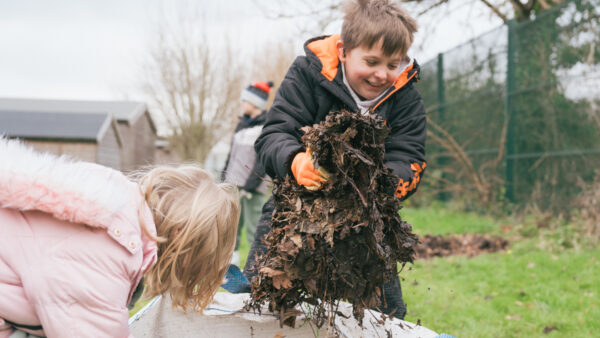
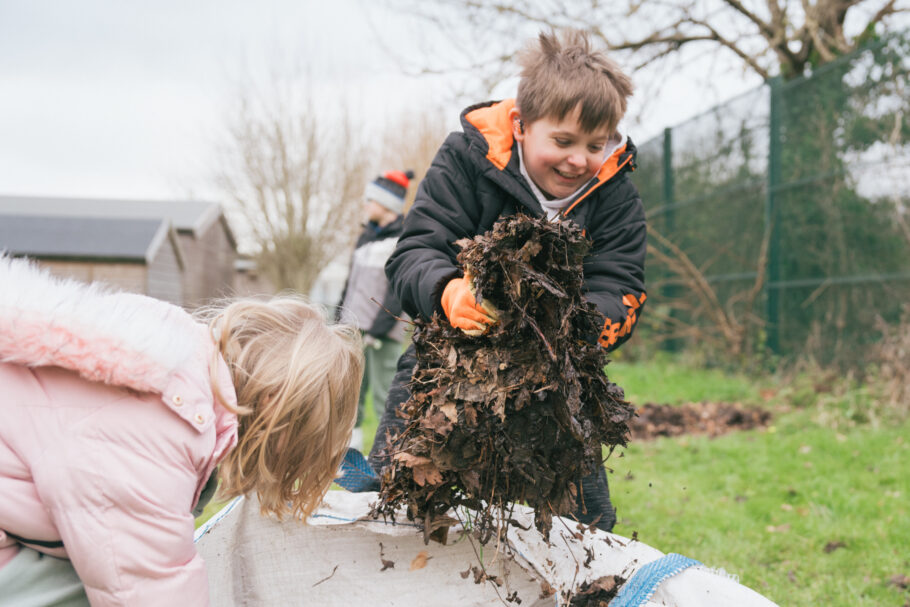
Special schools in Cornwall and Dorset have risen to our challenge to become climate cooler schools. Students have been out heat mapping their grounds, finding the hot spots and working out what action is needed to cool things down. Through practical activities like this, they learn how much work plants are doing everyday to calm and cool the climate. The action follows; trees have been planted, wildflowers sown, mulch spread and rain gardens built.
It is all part of our groundbreaking Collective Climate Repair project that is flipping the script on who gets to be involved in saving the planet. Through hands-on science demonstrations, students have been learning how plants are natural climate repairers, cooling the air through transpiration and acting as rain catchers.
Children of all abilities have the right to be involved in climate action, but special school students can often feel overlooked. We share our approach to engaging children of all abilities to take climate action.
Nature Friendly Schools, a UK wide initiative
Nature Friendly Schools was a national initiative focused on building nature-based learning in schools across the UK, led by the Wildlife Trusts and funded by the Department of Education and DEFRA. It was a response to the growing concern that spending time in nature and the outdoors is missing from the day to day lives of 1 in 10 children in the UK.
Sensory Trust led the special schools component, working with consortium partners YoungMinds, the Field Studies Council, and Groundwork UK. Young people with additional needs typically have the least access to the benefits that come from connecting with nature and we are passionate about changing this. The sensory-rich activities, tools and techniques we shared with special schools were enthusiastically adopted and the wellbeing and developmental benefits to young people were documented in the evaluation. This has all fed back into the work we continue to do with schools.
Trees and woodlands support learning and wellbeing
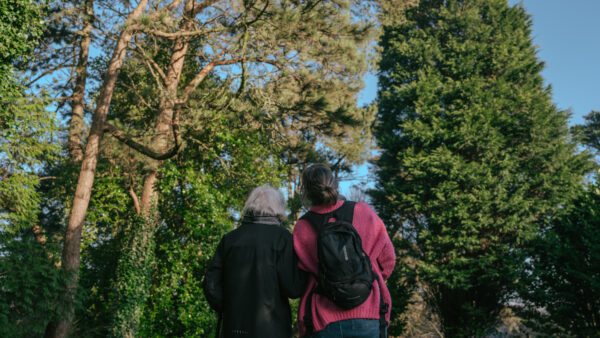
We work with trees and woodlands to bring learning to life through our learning activities, worksheets and training packages. Trees teach about a different pace of life and help young people reflect on their own lives and place in the world. They provide the perfect setting for connecting with the outdoors and exploring personal relationships with each other and the wider world. All types of learning and any aspect of the curriculum can be taught with trees and woodlands.
Being part of the 'Growing among Trees' project was an opportunity to work with special schools in London and Reading, introducing new connections with trees to transform teaching practices and enrich student learning. The project was led by Trees for Cities and funded by the Department of Education, with partners Nature Nurture CIC, the Garden Classroom and Green Schools Project, and Dr William Bird and team at Intelligent Health.
The benefits of this work reported a breadth of positive emotions such as happiness, appreciation and excitement. The full evaluation has been published in the Journal of Adventure Education and Outdoor Learning. We developed free teaching resources that are available to download, including a symbol-based tree planting learning pack.
Another important incentive for working with trees and woodlands relates to mental health benefits. At a time when mental health is a major challenge to increasing numbers of young people, the benefits of connecting with nature for supporting mental health are more important than ever. This is especially true for young people with additional needs. Many mental health issues manifest themselves by the age of 14 so it is critical to give young people tools and techniques to build resilience. This is an important part of our Collective Climate Repair project, which is responding to the growing prevalence of climate anxiety in young people.
Free teaching resources for sensory, nature-based learning
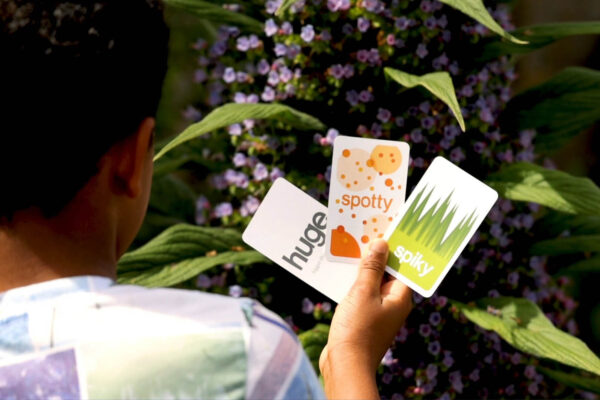
Our sensory nature resources are designed to support the learning and development of young people with additional needs by engaging with nature and the outdoors. They include curriculum based worksheets with supporting symbol sets and practical activity ideas to enjoy in school, at home and out and about in nature.
Our resources have been rigorously tested with special schools to ensure that they meet the needs of children with additional needs.